← All events
DTIM 2026: The fastest technology always wins
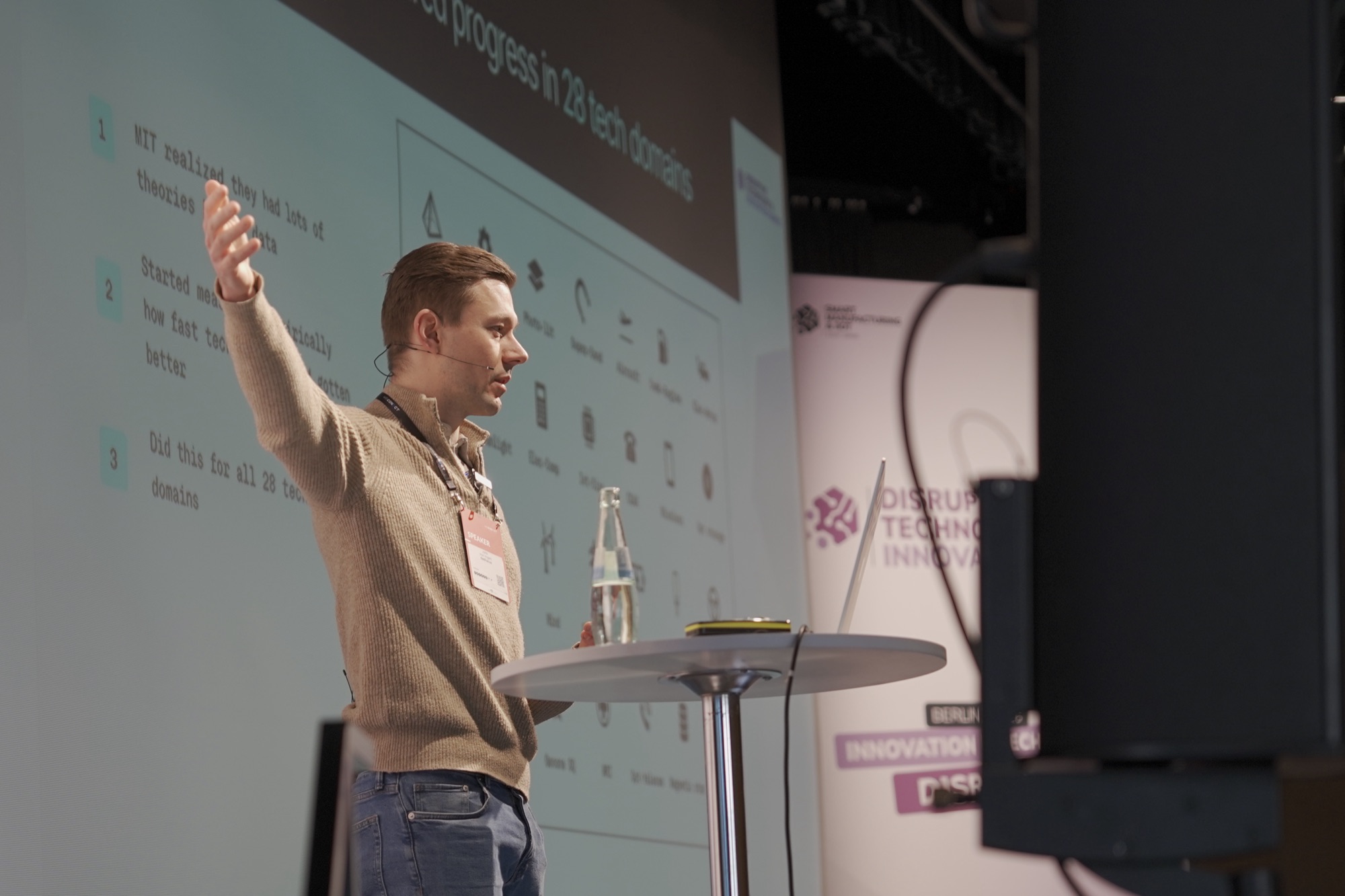
The technological future is predictable. On the DTIM main stage in Berlin, Jard van Ingen showed how: two signals in patent data that name the winning technology years before the market does.
Who’s there
Dates
Mar 23–24, 2026
Venue
Maritim proArte Hotel
Find us
Main stage
Book a meeting at the booth
1 · Pick a free slot in the calendar
2 · Get a confirmation with the booth location
3 · Bring the field you want mapped
The calendar shows open slots only. You get an email confirmation and a calendar invite.
From the event:
Past recap
Mar 23–24, 2026
Maritim proArte Hotel
Main stage
Berlin
Conference · Talk
Jard van Ingen | CEO · Main stage
265,000 | technology areas to track, and the list keeps growing
14 months | for optical telecoms to double. Milling machines need 23 years.
0 | exceptions found. The fastest improver has always won.
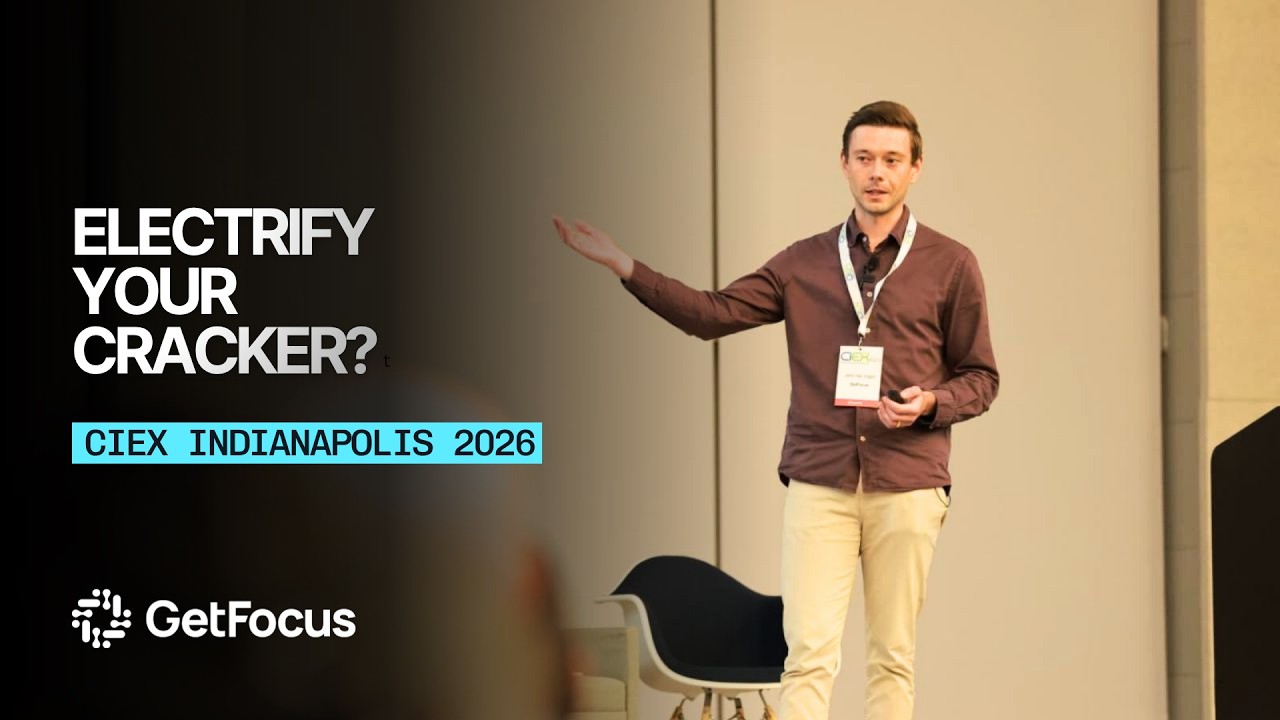
Watch the full talk | https://www.youtube.com/watch?v=ID-1GaarLAQ
Book a technology strategy call | /consultation
00:00 | The claim: technology futures are predictable | Jard's talk
02:25 | Why expert panels fail, and why the bias is structural | Jard's talk
03:25 | Why trend tools give you the wrong answer | Jard's talk
04:12 | The four-step methodology | Jard's talk
09:16 | The law of technological progress | Jard's talk
13:23 | Cycle time + knowledge flow = improvement rate | Jard's talk
16:34 | Case study: batteries vs. hydrogen fuel cells | Jard's talk
Don't ask your battery expert about hydrogen. Expertise is real, and so is the bias that comes with it
Stop counting. Filings, funding and startups tell you what's popular, and popular has been wrong before
Measure speed instead. Patent citations show which technology is improving fastest, years before the market does
Jard van Ingen
dtim-2026
https://www.youtube.com/watch?v=ID-1GaarLAQ
https://cdn.prod.website-files.com/6a7b05f6b58967cd745b9493/6ab939531d83e01447273258_dtim-2026-01-KRL07235.jpg | Jard on the DTIM main stage: one method, four steps
https://cdn.prod.website-files.com/6a7b05f6b58967cd745b9493/6ab9395442899102f8c3667f_dtim-2026-02-KRL07244.jpg | Exponential, not linear
https://cdn.prod.website-files.com/6a7b05f6b58967cd745b9493/6ab939551d83e014472732f8_dtim-2026-03-KRL07242.jpg | Walking through MIT's 28 measured domains
https://cdn.prod.website-files.com/6a7b05f6b58967cd745b9493/6ab939551d83e0144727330f_dtim-2026-04-KRL07238.jpg | The track record: MIT, the US DoD and a CES AI Award
https://cdn.prod.website-files.com/6a7b05f6b58967cd745b9493/6ab93955718485267670c7ba_dtim-2026-05-KRL07233.jpg | A full room at the Maritim proArte
https://cdn.prod.website-files.com/6a7b05f6b58967cd745b9493/6ab93955630b549962563e77_dtim-2026-06-KRL07221.jpg | The conversations continued at the GetFocus stand
https://cdn.prod.website-files.com/6a7b05f6b58967cd745b9493/6ab93955b05ce776a37f533f_dtim-2026-07-KRL07224.jpg | Bring a technology field, leave with its improvement rate
https://cdn.prod.website-files.com/6a7b05f6b58967cd745b9493/6ab93955d7bdbed1924cc21a_dtim-2026-08-KRL07249.jpg | Between sessions at DTIM Berlin