← All events
CIEX 2026: fourteen routes to low-carbon ethylene
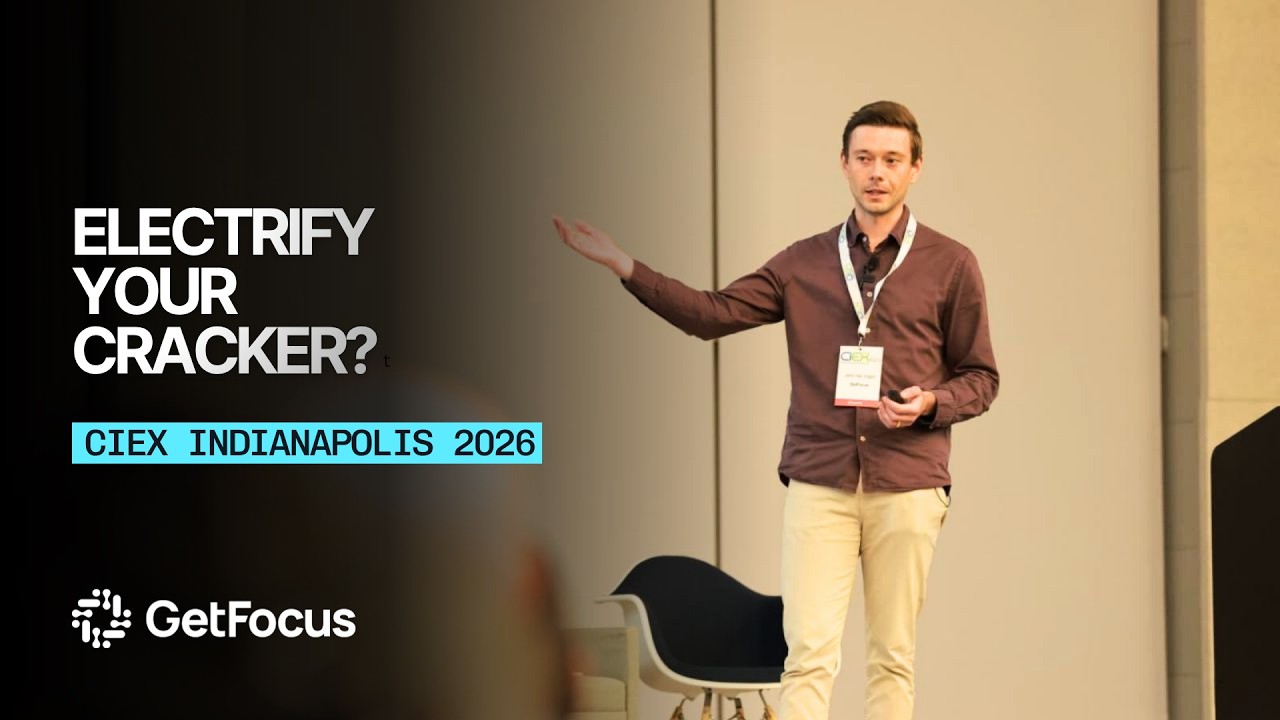
Jard van Ingen took the CIEX stage with one forecast: fourteen competing routes to low-carbon ethylene, measured on how fast each is improving. Watch the talk, and read the forecast behind it.
Who’s there
Dates
Sep 9–10, 2026
Venue
Find us
Booth 3 · Main stage
Book a meeting at the booth
1 · Pick a free slot in the calendar
2 · Get a confirmation with the booth location
3 · Bring the field you want mapped
The calendar shows open slots only. You get an email confirmation and a calendar invite.
From the event:
Past recap
Sep 9–10, 2026
Booth 3 · Main stage
Indianapolis
Conference · Talk
Jard van Ingen | CEO · Spoke on stage
Martina Dinardo | Account Executive · Booth 3
14 | routes to low-carbon ethylene on the radar
8,047 | global patent families behind the forecast
43.6% | a year for the fastest route, electrochemical CO₂/CO
Watch the talk | https://www.youtube.com/watch?v=how_T1LbS0U
Read the CIEX summary | /ciex
Request the full 47-page report | /consultation
Electrochemical CO₂/CO is the frontier at 43.6% a year, more than twice any classical route
Every classical cracking route, electrified included, improves at 13.0–19.8% a year and sits in phase-out
Ten of fourteen routes land in phase-out, while a new cracker is a 30–50 year asset
Jard van Ingen
ciex-2026