← All episodes
Why technology bets go wrong: 30 years in the R&D chair
With Christophe Perthuisot · Former SVP of R&D, Moët Hennessy (LVMH)
Loading video
3505
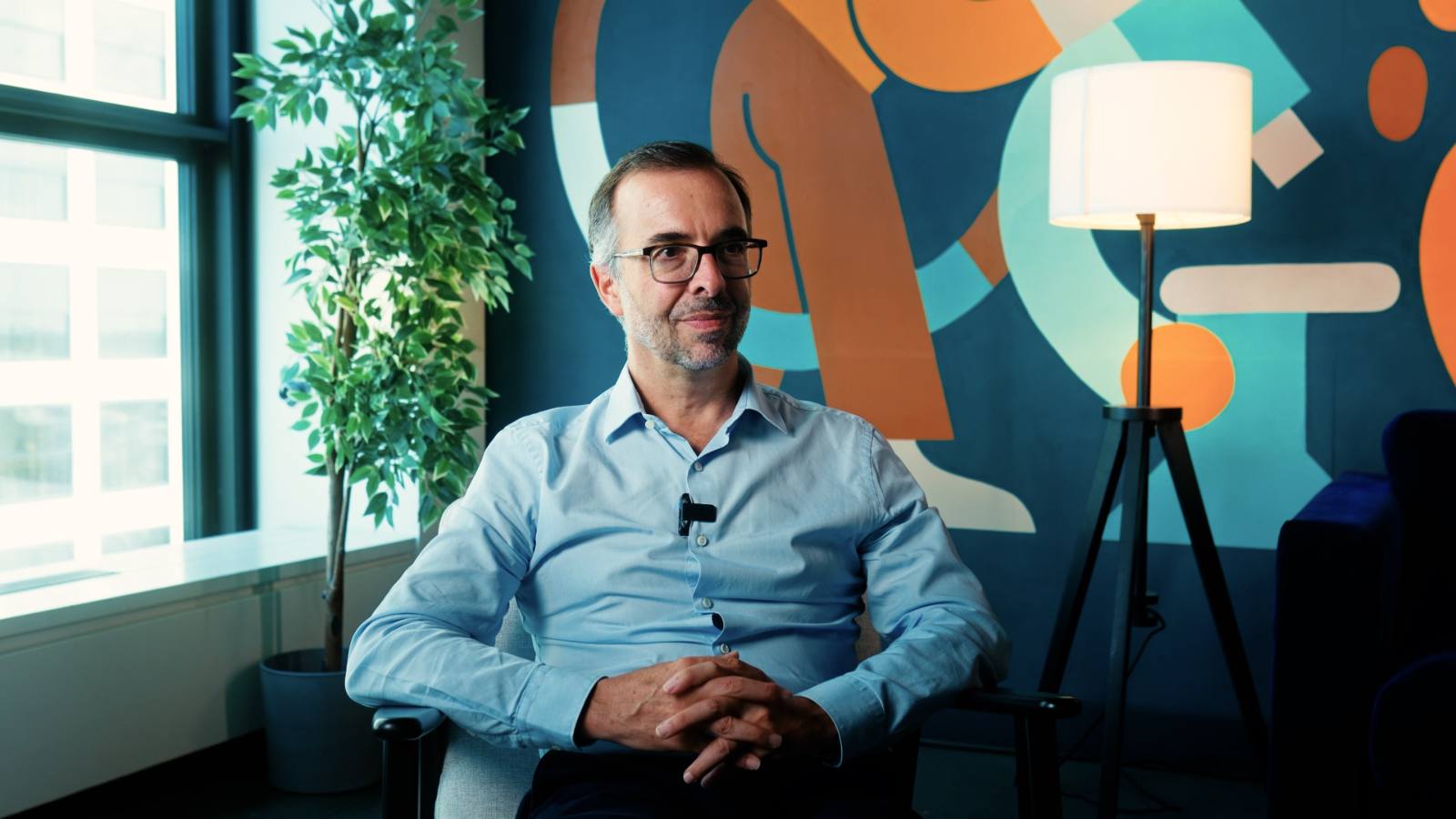
Christophe Perthuisot has run R&D for 30 years, most recently as SVP of R&D at Moët Hennessy and before that at Danone. He sits down with our CEO Jard van Ingen to talk through the technology bets that go wrong, the one that nearly got dismissed, and what changed once his teams started measuring how fast technologies improve.
Christophe opens with the tension every R&D head knows: you are judged on the future while the present eats your calendar. When he started, a problem had a handful of possible routes. Today it can have hundreds, coming from startups, academia and suppliers, and each funding decision is a bet on which one keeps improving.
The middle of the conversation is about the bets that went wrong and the one that nearly didn’t happen. A health-claims programme ran for around ten years and tens of millions of euros before it was stopped. At the same time, a small startup brought stevia to Danone. It tasted of licorice, it didn’t fit the zero-sugar strategy, and company policy ruled out sweeteners in children’s products. Every reason to say no was defensible. Christophe’s team said yes, and a first product at 30% sugar reduction grew, generation by generation, into a category standard.
The last third turns to method. Christophe explains how measuring improvement rates took his teams from a hundred candidate technologies to the four or five worth examining, why he welcomed it when the data contradicted his own experts, and how to bring AI into an R&D department by starting with the people willing to try it. He closes with the one question he’d ask of any technology-intelligence process.
It was the right bet in the end — but it could just as easily have been the wrong bet. We had no easy way to know how quickly these technologies would progress.
Discover how GetFocus can transform your strategic decision-making process today.
Talk to us